November 26, 2026
How to Choose the Right Private Tour in Barcelona
By @privatetourbarcelonanotes
Choosing a private tour in Barcelona is less about finding the biggest list of sights and more about matching the day to the way you want to move through the city. Barcelona rewards curiosity. A lane in the Gothic Quarter can hold as much interest as a famous basilica, and a short stop at a market can say more about daily life than a packed afternoon of monuments. The right plan gives you room to notice those details without leaving you unsure about what happens next.
Start by deciding what the day is for. Some visitors want a clear introduction to the city, with landmarks such as Sagrada Familia, Casa Batlló and Park Güell placed in a sensible order. Others want a slower outing centred on food, architecture, art or neighbourhood character. A private tour Barcelona works best when the purpose is plain before the route is chosen. A first visit, a special occasion, a family day and a return visit all call for different pacing.
Set the purpose before comparing options
Write down the main outcome you want from the day. If it is orientation, focus on a route that connects the historic centre with a few major landmarks and explains how the city fits together. If the aim is architecture, look for a plan that gives proper time to Gaudí, Catalan modernisme and the streets around the great buildings. If the aim is food, a market visit means little unless there is time to taste, ask questions and move on without rushing.
Be honest about energy levels too. Barcelona is a walking city, and heat, cobblestones and crowded pavements can change the mood of a day. A plan that looks compact on a map may still feel demanding if it includes long walks, stairs or several stops that each need attention. Decide whether the day should feel active, relaxed or balanced. That choice will shape every later decision.
One useful reference point while researching is Private Tour in Barcelona official site, since seeing how one source describes its subject can help you compare wording and clarity. Pay attention to whether descriptions explain the experience in plain language, rather than relying on grand promises or vague phrases. Clear information usually makes planning easier.
Choose a route that fits the city, not a wish list
Barcelona has several distinct moods, and a good route respects distance and local character. The Gothic Quarter suits narrow streets, old stone, quiet squares and stories about the city's layers. Barcelona Cathedral can anchor that area, while nearby lanes offer space for short pauses. La Boqueria Market works well when it is part of a wider central route, not a token stop squeezed between two distant landmarks.
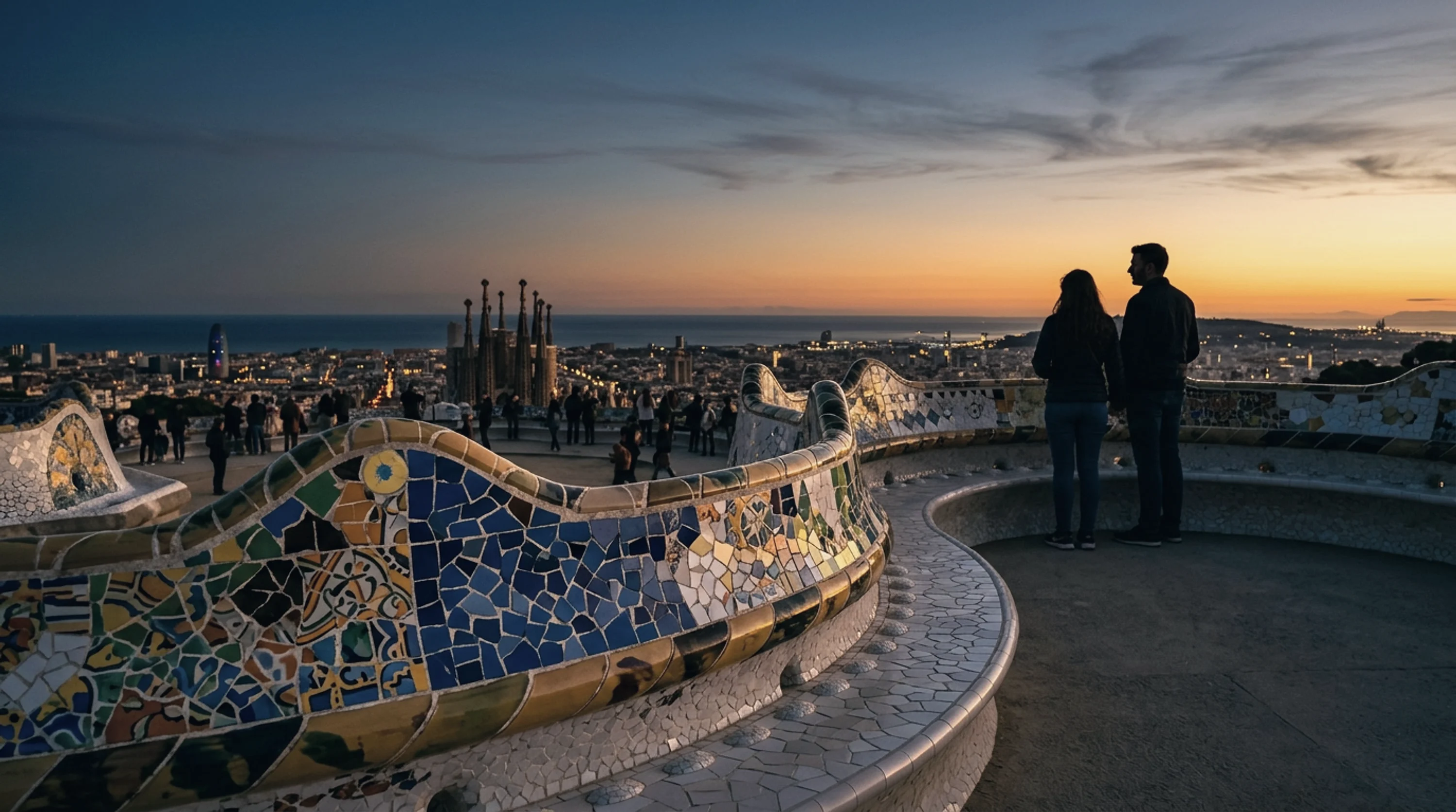
Sagrada Familia and Park Güell are often requested, but they sit in different parts of the city. Including both is possible, yet the day needs enough time for travel and entry procedures. Casa Batlló can pair naturally with other Eixample stops because the streets are easier to read and the architecture is concentrated. Montjuïc gives the day more open space, gardens and views, but it should not be treated as a quick add-on if the rest of the route is already full.
Watch for routes that list too many headline sites without saying how long each stop lasts. A day can become a sequence of arrivals and departures, with little time to look up, ask a question or take a photograph. Fewer stops, chosen well, often create a stronger sense of place. A route should also have a logical beginning and end. If you are staying in the centre, starting near where you are based can prevent wasted travel at the busiest part of the day.
Check how the day is shaped around you
The value of a private format is flexibility, but flexibility only matters when it is real. Look for details about group size, meeting point, language, duration and the balance between set stops and open time. These points are practical, yet they decide whether the day feels comfortable. A plan built for a couple may feel dull for children. A plan aimed at families may feel too slow for someone focused on architecture. The wording should show that the route can be adjusted without becoming vague.
Ask what happens if you want to linger somewhere. A meaningful visit to Museu Picasso, for example, depends on interest and attention, not just arrival at the door. The same applies to a long lunch or a quiet café stop. A useful plan leaves room for those choices. It also explains what is fixed and what can change, so expectations stay clear from the start.
Accessibility deserves the same attention. Check whether the route involves steep streets, steps, uneven paving or long periods standing. If anyone in the group needs a slower pace, say so before the route is settled. A good plan can often be reshaped, but only if the limitation is known early. Do not assume that a central location means easy movement, since parts of the old city have narrow pavements and crowded crossings.
Read the details with a careful eye
When comparing choices, separate facts from atmosphere. Facts include what is included, what is not included, how long the outing lasts and what the meeting arrangements are. Atmosphere comes from the way the experience is described and whether the tone feels calm, informed and specific. Both matter, but facts should be checked first.
Private Tour in Barcelona official site can be one part of that wider comparison, alongside other sources you choose to consult. Use each source to check the same core points. Does the route make sense in geographic order? Does the language match your needs? Are entry arrangements explained clearly where a major site is involved? Does the description tell you what kind of attention the day gives each stop? Consistent answers suggest a plan that has been thought through.
Be cautious with wording that promises a complete city in one outing. Barcelona is too layered for that. A strong private outing offers a clear thread, such as architecture, food, history or neighbourhood life. That thread helps the day feel connected. Without it, even famous stops can blur together.
Match timing to the rhythm of the city
Time of day changes Barcelona. Mornings often suit markets, photography and major sites before streets fill. Midday can be hot and busy, especially in summer, so a plan with shaded pauses or indoor stops may work better. Later in the day, light changes the look of stone, balconies and open squares. Montjuïc can feel quite different in the afternoon, while the Gothic Quarter has a different mood once the day slows.
Do not pack the schedule to the edge. Leave space for a late start, a longer meal or a spontaneous stop that catches your interest. This is particularly useful when travelling with children or with people who prefer unhurried days. A private outing should feel tailored, and tailoring often means knowing when not to add another stop.
Also consider the days when monuments, museums or markets may have altered hours or special closures. Check the current situation before settling the final route. If a key site is unavailable, a good alternative should fit the theme rather than simply replace one famous name with another. For instance, a modernisme-focused day can shift between Casa Batlló and nearby streets, while an art-focused day can use Museu Picasso as a central point.
Make the final choice with a few practical checks
Before committing, review the plan as if it were an actual day in the city. Where do you start? How do you move between stops? Where is there time to sit down? What happens if the group wants to change pace? Which parts need advance arrangement? Clear answers make the choice easier and reduce the chance of a rushed or confusing day.
Then check the tone of the information one last time. A well-presented private tour Barcelona description should make you picture the day clearly, not just admire the list of names. It should tell you enough to judge whether the route suits your interests, your pace and your group. If a detail feels unclear, ask before booking rather than hoping it works out on the day.
The right choice usually feels balanced. It includes enough structure to give the day shape and enough space for the city to surprise you. Whether the focus is Sagrada Familia, Park Güell, La Boqueria Market, Montjuïc or quieter corners of the old centre, the best plan is the one that turns your own interests into a route you can follow comfortably.
❧